

In the world of construction, the right tools and equipment can make all the difference the outcome of a project, determining its success or failure. As the industry evolves and new technologies emerge, staying updated with essential tools is crucial for both safety and productivity on construction sites. From power tools to heavy machinery, each item of gear plays a vital role in ensuring that projects are completed on time and to the highest standards.
Regardless of whether you’re an experienced contractor or new to construction, comprehending the necessary tools is imperative. This article will explore the must-have equipment that construction professionals need to consider, emphasizing their significance and how they contribute to overall productivity and quality in construction work. Equipping yourself with adequate tools, you not only improve your skill set but also guarantee the success of every undertaking.
Heavy Equipment
Construction machinery is a key element of modern construction, enabling tasks to be completed efficiently and safely. Equipment such as diggers, dozers, and cranes has revolutionized the way contractors handle building and civil engineering projects. These devices allow for the transport of large amounts of earth, precise lifting of bulky materials, and rapid demolition, which are all vital tasks in the construction process.
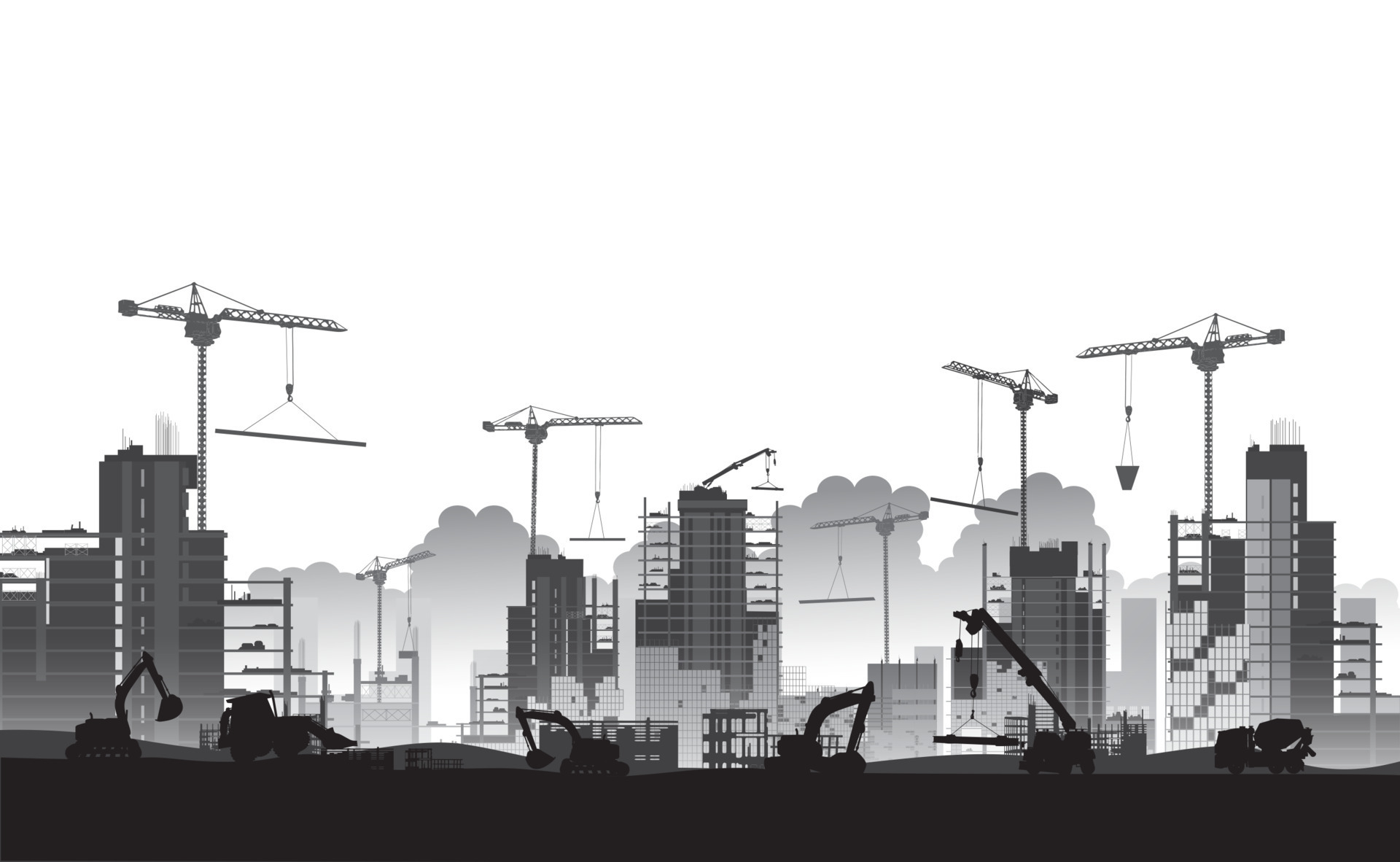
The employment of heavy machinery can significantly reduce physical work while boosting productivity. For example, excavators are designed to dig deep foundations and trenches rapidly, making them indispensable on job sites. Bulldozers are employed for grading land and clearing materials, speeding up the pre-construction phase. Cranes provide the essential height and reach for lifting steel beams and other heavy objects into place, which is crucial for high-rise construction.
Moreover, advancements in technology have led to enhanced and safer machinery. Features such as GPS tracking, telematics, and automated controls improve the accuracy and safety of work. Machine operators can now manage these machines with increased precision, minimizing the risk of accidents and improving overall job site safety. As construction continues to evolve, heavy machinery remains an integral component that drives the industry forward.
Hand Tools
Manual instruments are fundamental to construction tasks, providing the necessary means for various jobs, from measuring to assembly. Essential instruments like hammers, drivers, and wrenches are critical for everyday tasks. These tools allow workers to perform accurate jobs and make adjustments on the fly, showcasing the flexibility manual instruments bring to a job site.
Measuring instruments, such as tape measures and levels, are essential for ensuring accuracy in construction. They help contractors and builders obtain precise measurements and positions, preventing expensive errors. The straightforward yet effective design of these measurement tools allows for quick measurements and changes, keeping the process seamless and efficient.
Finally, the significance of hand tools in construction extends to safety and ergonomic design. Instruments designed with comfortable grips and safety features help reduce the chances of injuries on the site. As construction continues to develop, putting money in top-notch manual instruments remains crucial, ensuring that workers have the appropriate tools to perform their tasks safely and effectively.
Protective Gear
Safety equipment is a cornerstone of a safe workspace in construction. read here associated with this industry make it crucial for employees to be provided with the right safety equipment. Hard hats are essential for protecting against head injuries from objects that fall, while eye protection protect the eyes from dust and debris. Additionally, ear protection, such as earplugs or ear muffs, is crucial on noisy construction sites to reduce damage to hearing over time.
Proper footwear also plays a vital role in maintaining safety on job sites. Steel-toed boots offer safety against heavy items that may drop or move, and slip-resistant soles help prevent falls on slippery grounds. Moreover, high-visibility vests or clothing ensure employees can be easily seen by others, reducing the risk of incidents, especially in bustling environments where machinery operates.
Finally, harnesses and safety ropes are necessary when working at heights. Fall protection systems are essential to avoid serious injuries or fatalities due to falls. Education in the correct use of all safety equipment is equally important, ensuring that every worker understand how to safeguard themselves and their co-workers effectively while on the work site.